Dental Implants in Glen Huntly

Dental implants are one option for replacing a single missing tooth, a tooth that requires extraction, multiple missing teeth, or, in suitable cases, a full arch of teeth.

A dental implant is placed into the jawbone to provide a foundation for a replacement tooth or teeth. Depending on your individual needs, implants may be used to support a single crown, an implant-supported bridge, or a full-arch restoration.

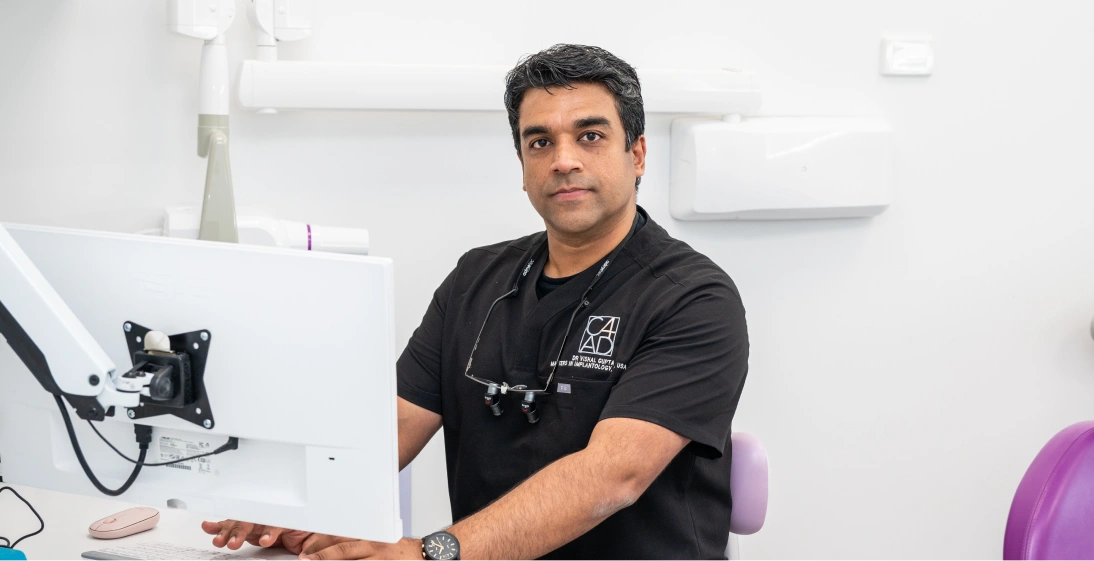
At the Centre for Advanced Dentistry (C4AD), implant treatment is led by Principal Dentist Dr Vishal Gupta, who has over 18 years of experience in dental implant treatment. Every treatment begins with a comprehensive assessment and personalised planning, considering your oral health, available bone, medical history and individual treatment needs before discussing whether dental implants may be suitable for you.

Important information: Dental implant treatment involves risks and is not suitable for everyone. Treatment recommendations, healing times and outcomes vary between individuals. Any clinical images or treatment outcomes shown on this website relate to individual patients only and should not be considered indicative of the results another patient may experience.

Single & Multiple Tooth Implants
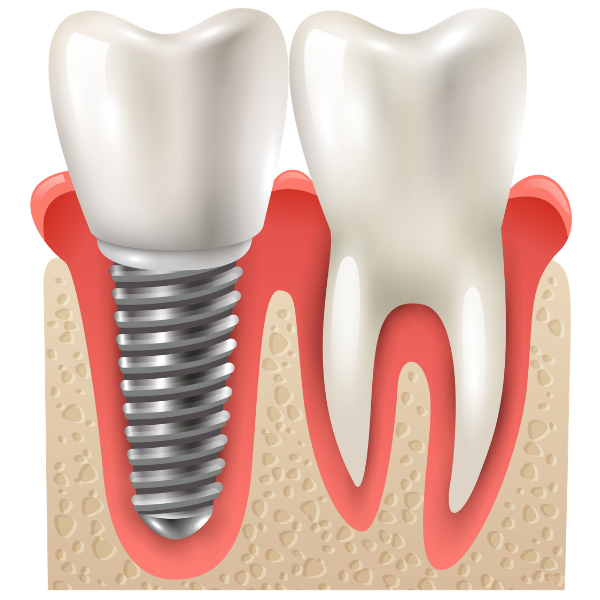
Whether you are missing one tooth or several teeth, dental implants may provide an option for restoring function and replacing the missing teeth.

For a single missing tooth, a dental implant is placed into the jawbone to act as an artificial tooth root. Once appropriate healing has occurred, a custom-made crown can be attached to the implant to replace the missing tooth.

When multiple teeth are missing, treatment may involve individual implants or an implant-supported bridge, depending on the number and position of the missing teeth, available bone and your individual circumstances.

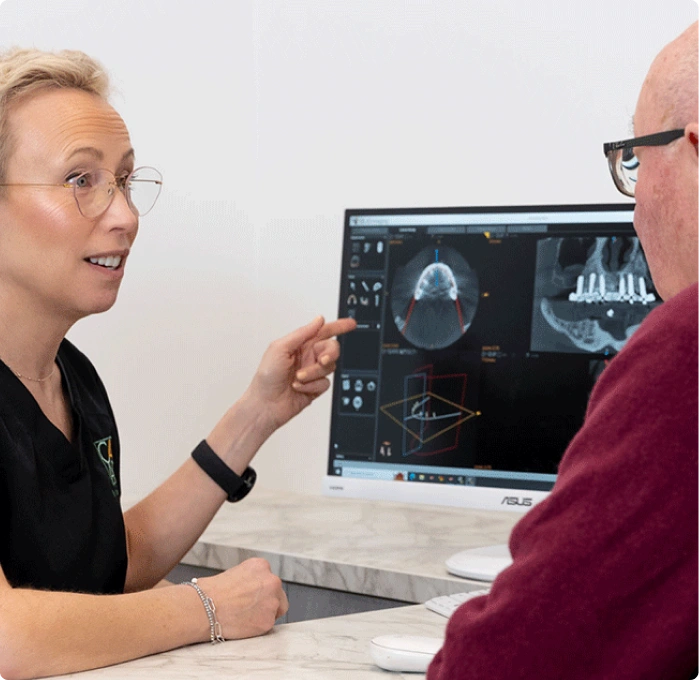
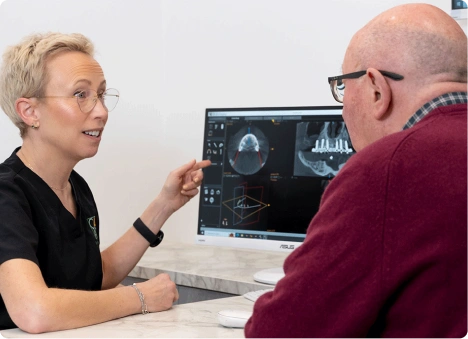
At the Centre for Advanced Dentistry (C4AD), implant treatment begins with a comprehensive assessment and careful treatment planning. Using clinical examination and appropriate diagnostic imaging.
Implant-Supported Overdentures

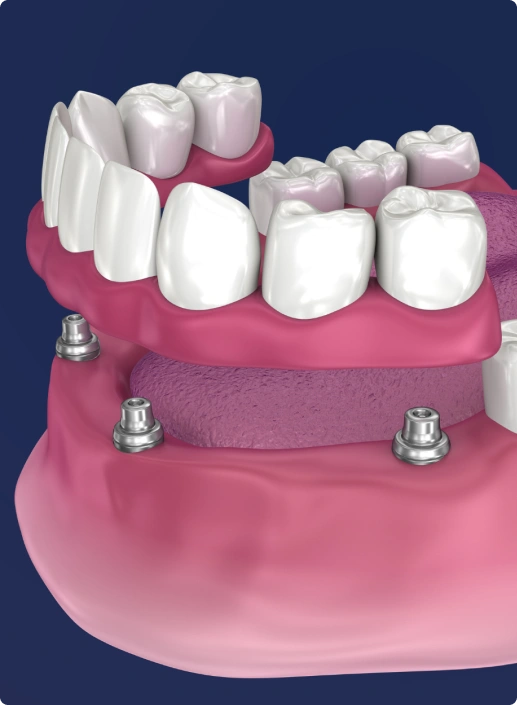
For patients who have lost multiple or all teeth, an implant-supported overdenture may provide an alternative to a conventional removable denture.

Dental implants are strategically placed in the jawbone to provide additional support and retention for a removable denture. The denture is designed to securely connect to the implants while still being removable for daily cleaning and maintenance.

Compared with conventional dentures, implant-supported overdentures may help reduce denture movement and improve stability, comfort and chewing function for suitable patients.

At the Centre for Advanced Dentistry (C4AD), we carefully assess your oral health, available bone, existing denture and individual needs before recommending an appropriate treatment option. Where suitable, we can also discuss the different implant and attachment options available and what you can expect throughout treatment.

Suitability for dental implants varies between individuals. Treatment involves risks, and outcomes, healing times and maintenance requirements will differ from patient

Full-Arch Dental Implants

For patients who have lost most or all of their teeth, or whose remaining teeth have a poor prognosis, full-arch implant treatment may be considered as an option for restoring multiple teeth.

This approach uses a carefully planned number of dental implants placed within the jawbone to support a fixed full-arch restoration. Depending on your individual circumstances, this may involve four or more implants to support a complete arch of replacement teeth.

At the Centre for Advanced Dentistry (C4AD), full-arch implant treatment begins with comprehensive assessment and detailed planning. Your dentist will assess your remaining teeth, gums, bite, available bone and other relevant health factors, together with appropriate diagnostic imaging, before recommending a treatment approach.

As full-arch rehabilitation can be complex, we take the time to discuss the different treatment options, expected stages, potential risks, healing and ongoing maintenance so that you can make an informed decision about your care.

Full-arch dental implant treatment is not suitable for everyone. The number and position of implants, treatment stages, healing times and outcomes vary according to individual clinical circumstances.

Taking Care of Implants

Dental implant longevity is directly proportional to the quality of your dental care routine. They’re the next best thing to natural teeth, so it follows that they would require similar care. Whether you’re caring for natural teeth or dental implants, our best advice is to brush twice daily, floss at least once daily, and visit the dentist every six months. Dental crowns require some extra TLC, so ensure you’re using a soft-bristled toothbrush and low-abrasive toothpaste free from stain-removing agents and baking soda. Harsh ingredients such as these can wear down the acrylics and glaze from porcelain implants.

When brushing, don’t forget to brush around and under your dental crowns. An angle-necked or interdental toothbrush can help you access those hard-to-reach places—especially if your crown is towards the back of the mouth.